The Chinese smartphone and electric vehicle (EV) maker Xiaomi grew its first-quarter revenue by a better-than-expected 27 per cent year on year, as handset shipments recovered globally.
Seoul aims to help boost South Korea’s global market share in non-memory chips, such as mobile processors, to 10 per cent from the current 2 per cent.
Alibaba and others have released encouraging early sales data from China’s biggest shopping season after Singles’ Day, an indicator of consumer sentiment in the world’s second-largest economy.
Along with Meta, OpenAI and Samsung, the companies committed to publishing safety frameworks for measuring risks.
The latest product announcements by NetEase reflect heightened competition in the world’s second-largest video gaming market, where tech giant Tencent continues to lead.
Huawei Technologies has launched an Arabic large language model and Egypt’s first public cloud service in Cairo as it eyes opportunities amid rising demand for generative artificial intelligence in the region.
Taiwanese chip manufacturer TSMC and Dutch machine supplier ASML have ways of disabling their equipment, sources told Bloomberg.
Alibaba Cloud has slashed the fees for using its generative artificial intelligence models by up to 97 per cent, a week after ByteDance launched a rival service that costs less than most competitors.
The funding will help set up a pilot line in Europe that will develop and test future generations of advanced semiconductors.
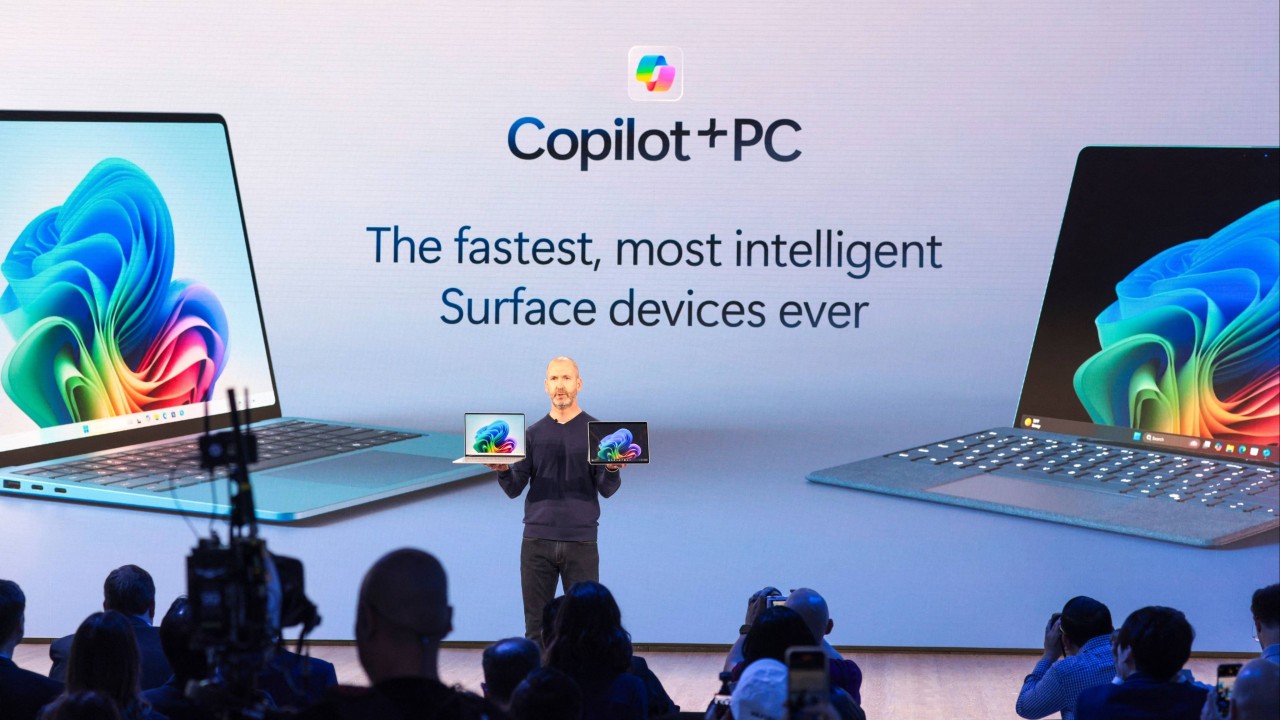
The computers, which run chips from Qualcomm, are 58 per cent faster than Apple’s top-of-the-line MacBook Air M3, according to Microsoft.