Consumers love instant delivery of everything from clothing to everyday items, but no amount of convenience will address China’s demand problem.
The US carmaker said in a Weibo post that its ‘visual processing solutions’ provide safer intelligent driving in various scenarios.
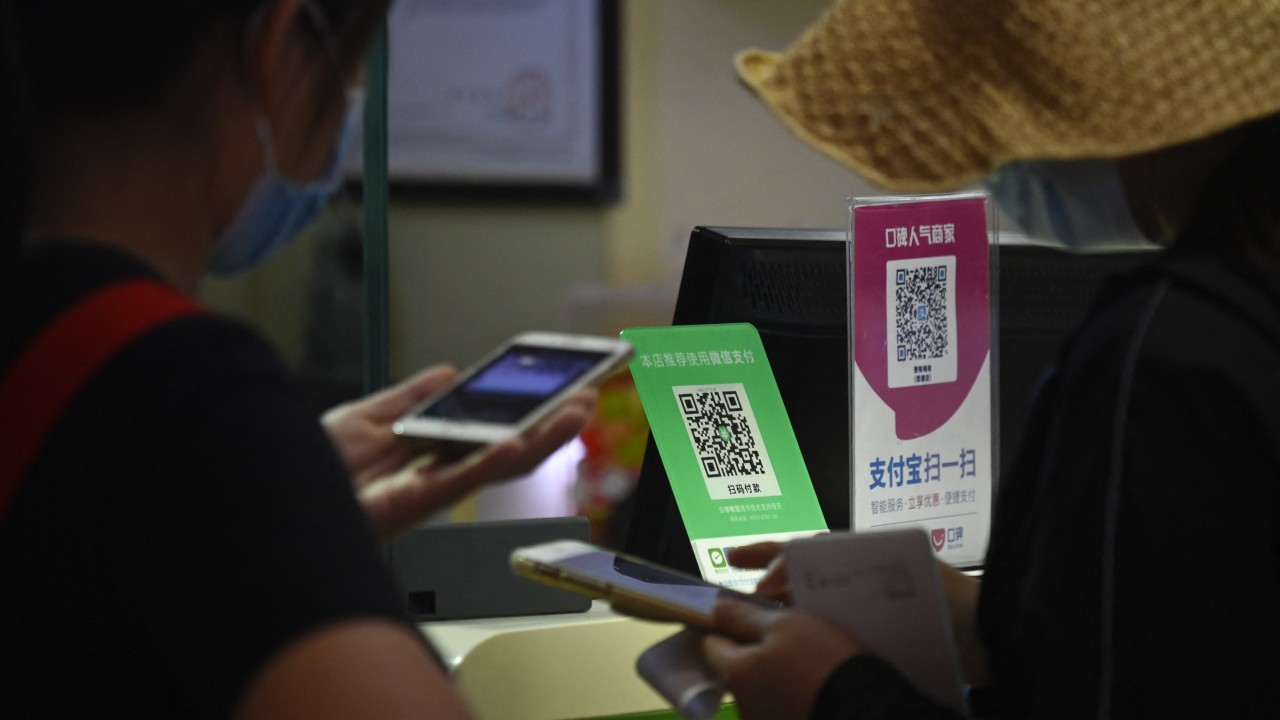
Preliminary data from the country’s two dominant mobile payment apps show two-to-three times the spending from a year ago, much of it from Hong Kong.
Visa is working on an AI that searches for goods and services and buys them for you, while checking past transactions to send you ads.
The early introduction of the service reflects heightened domestic demand for efficient and affordable delivery of goods ordered online.
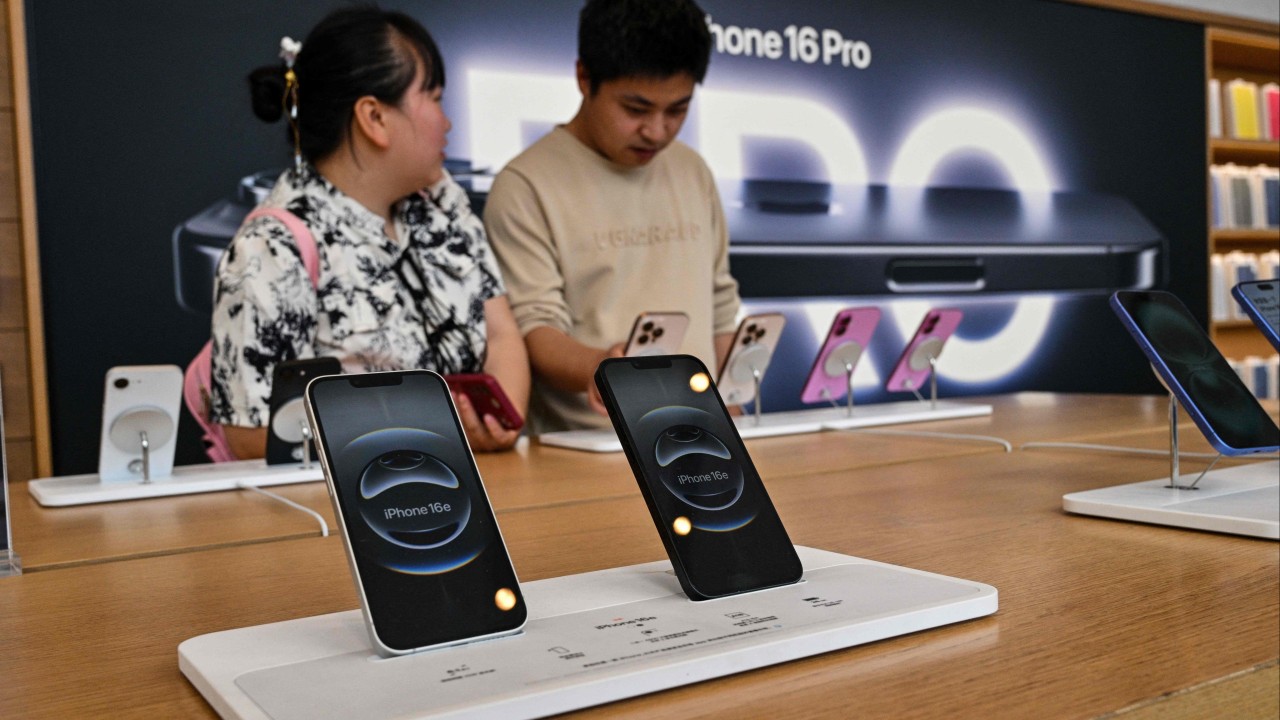
As iPhone sales in China continue to fall, Apple also faces US$900 million tariff costs this quarter.
The shopping site is shifting its US business to a ‘local fulfilment model’, as tariff exemptions for low-value Chinese goods come to an end.
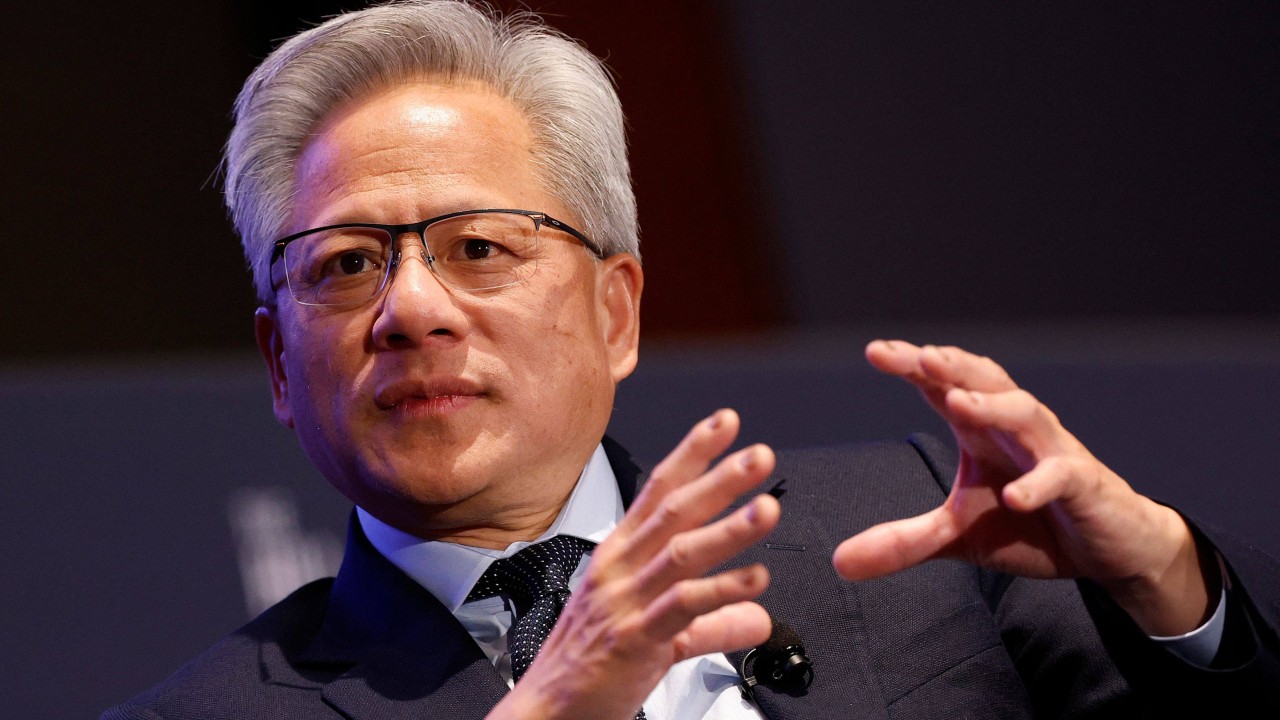
US export restrictions on Nvidia’s chips to China could make Huawei’s chips more competitive, CEO Jensen Huang says.
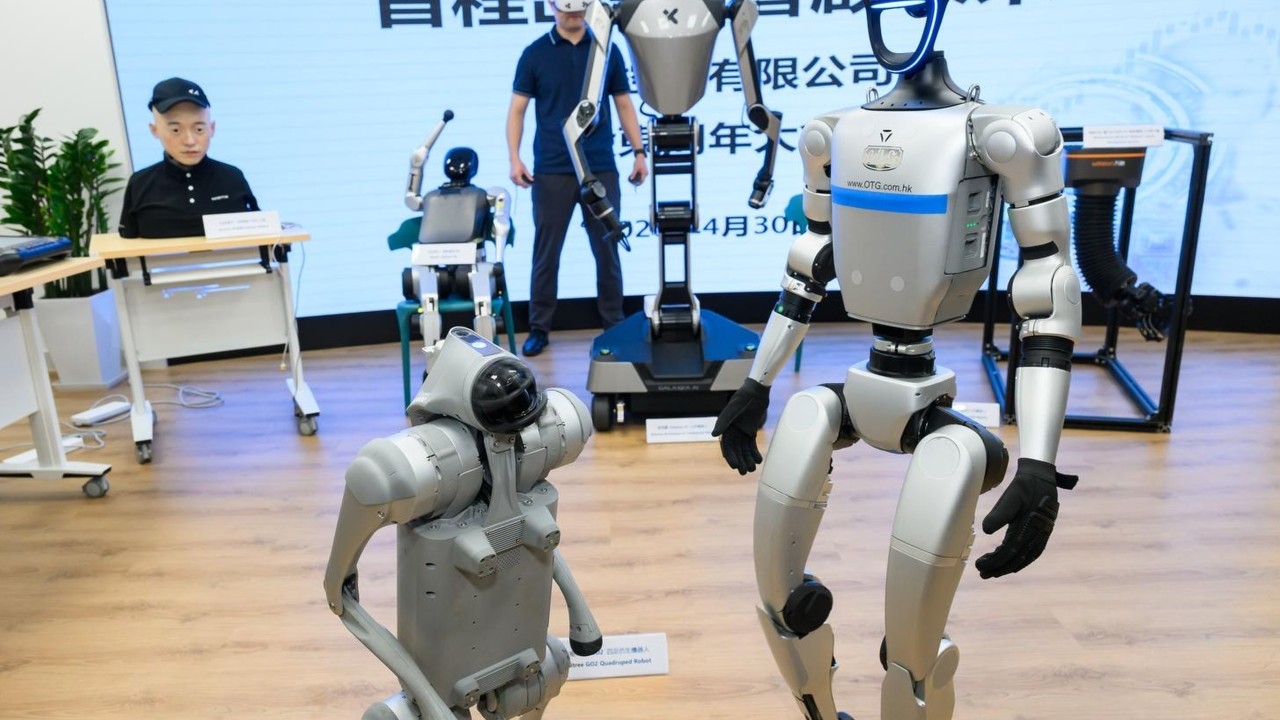
The company, a subsidiary of Chinese steel giant Shougang, plans to invest in about 50 robotics firms over the next two to three years.
Vietnam will be the country of origin for most iPad, Mac, Apple Watch and AirPod products sold in the US, CEO Tim Cook says.