The move shows the challenges faced by multinational companies when navigating a bifurcated global technology system.
High demand for these infrastructure services providers reflects how mainland China has swiftly become a world leader in the adoption of generative artificial intelligence.
TSMC’s latest quarterly sales figure comes days after the company briefly reached a US$1-trillion market capitalisation on a tide of investment into AI-related data centres and devices.
Oracle shares fell after Elon Musk said his AI start-up would rely less on cloud technology from the software maker, jeopardising a potentially lucrative revenue stream.
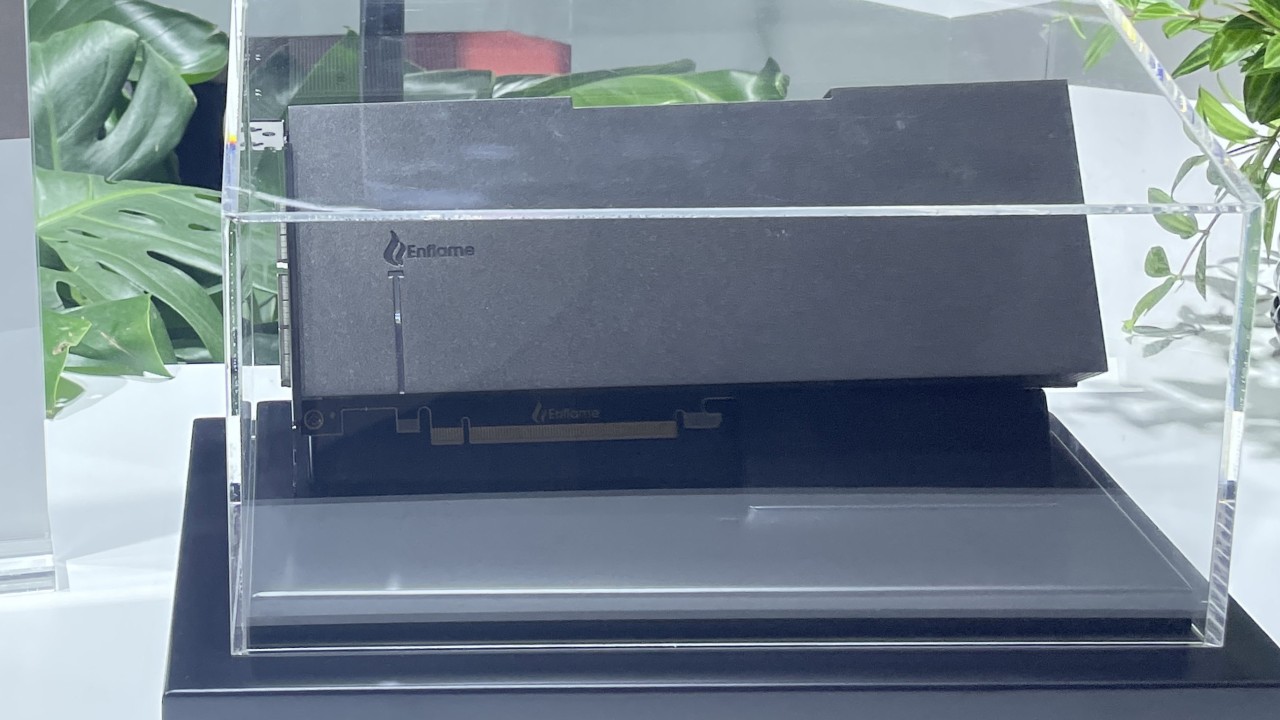
Firms such as Huawei and Moore Threads were invoking Nvidia’s name at the World Artificial Intelligence Conference, but Chinese hardware still lags behind.
Advertisements featuring the basketball star will appear across the French capital during the Olympic Games.
Local taxi drivers are petitioning Wuhan’s transport authority to limit the use of Apollo Go in the city of over 13 million.
That AI initiative augurs well for Alibaba International Digital Commerce Group, which now has 300 million consumers annually and more than one million merchants around the world.
Alipay expects its Tap! service, which is being rolled out in major cities across mainland China, to ‘expedite in-store mobile payments’.
The entry of Taiwanese chip giant TSMC into the elite club of the world’s most valuable companies is further proof that the generative AI revolution is shaking up Wall Street.